About Thailand
Heroin Rehab London vs Thailand
Heroin Rehab London vs Thailand is the focus of this page, with practical guidance from The Warmth Rehab in Chiang Mai. Both routes lead to recovery, but they differ sharply in waiting times, cost, environment and how far treatment removes someone from the risks around them.
Heroin addiction treatment in London
London offers addiction treatment through both NHS-funded services and private residential centres. Public services provide essential, accessible care, but demand often exceeds capacity and waiting times can be long. Private centres admit faster and offer more structured care, though cost becomes the barrier instead.
- Limited availability and waiting lists in public services
- Private residential treatment from £8,000 to £30,000 per month
- Continued exposure to familiar environments and triggers
- Access to experienced, well-established programmes
The overdose picture in the UK and Europe
Why timing matters
The Office for National Statistics registered 5,565 drug poisoning deaths in England and Wales in 2024 — the highest since records began. Opioids were involved in 2,621 of those deaths, with heroin or morphine mentioned in 1,415. Drug-related mortality across England and Wales has more than doubled since 2012, rising from 46.5 to 93.9 deaths per million people.
Delays in accessing treatment, combined with continued exposure to high-risk environments, raise the likelihood of both relapse and overdose. For someone in a large urban area, remaining close to the same substances, social circles and pressures can undo the progress treatment is meant to build.
Why UK and European clients look abroad
For many people, treatment abroad offers two things local services struggle to provide at once: the ability to step away from an environment where overdose risk is high, and access to private treatment at a cost a family can actually meet.
- Immediate admission with no waiting list
- Lower overall cost than private rehab in London
- Personalised treatment programmes with smaller groups
- Structured daily therapy and clinical support
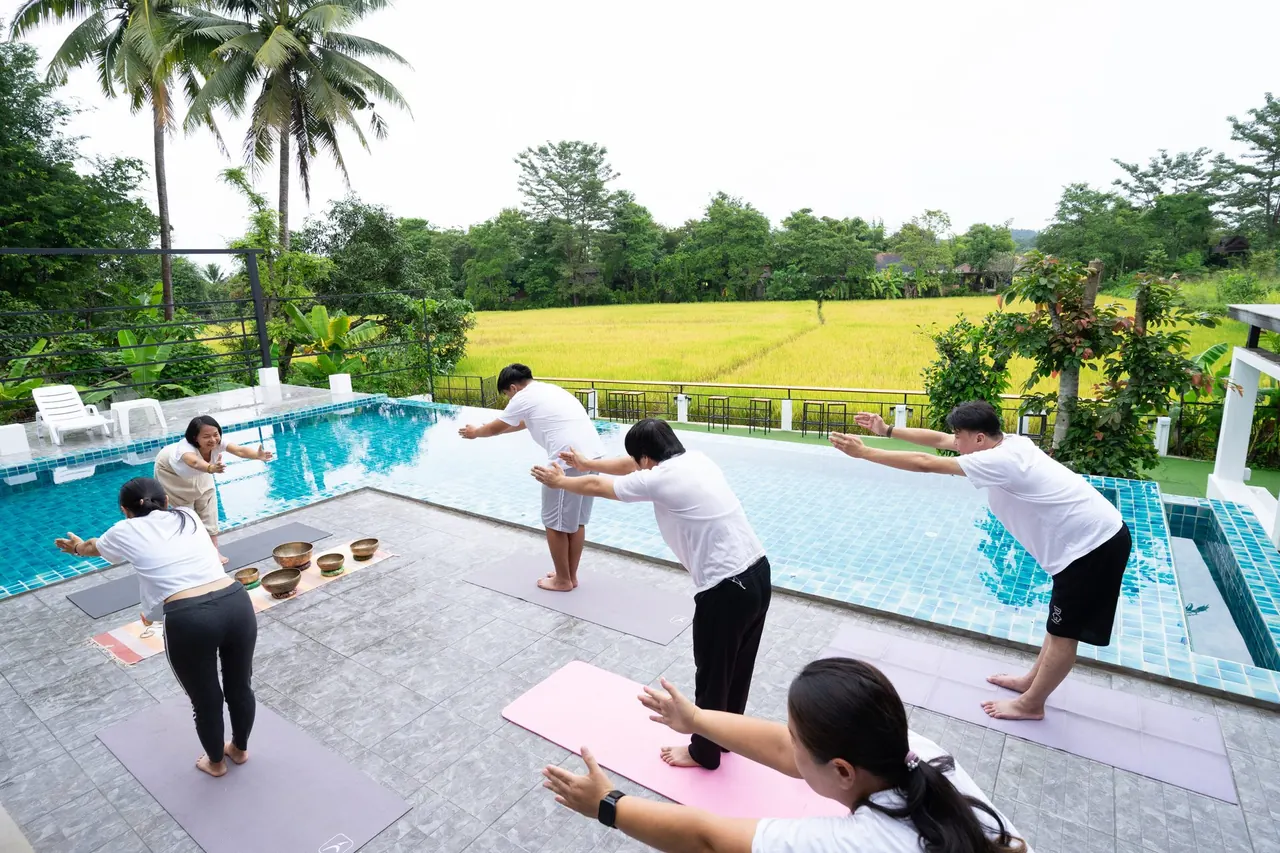
- A peaceful, private setting for recovery
- Reduced exposure to triggers and high-risk situations
Personalised care, distance and affordability
Private rehab in Thailand focuses on individualised care. Smaller client groups and a higher staff-to-client ratio mean treatment stays focused on the person rather than the programme.
The change of environment matters as much as the therapy. In London a client may remain surrounded by drug-related influences; treatment in Thailand puts real distance between them and those influences at the point where continued opioid exposure carries the greatest risk.
Affordability follows from local operating costs, not from lowered standards. Clients still receive medical detox, therapy and residential care — the comprehensive package — at a fraction of the UK price.
Making the decision
Choosing between London and Thailand depends on the individual. The factors worth weighing are the urgency of treatment, the family’s financial situation, the need for private and personalised care, the relapse risk in the current environment, and how quickly support can begin.
For anyone at high risk of overdose or relapse, stepping away from their current environment may be the decisive step.
Continue reading
Frequently asked questions
How much does private heroin rehab cost in London?
Private residential treatment in London typically ranges from £8,000 to £30,000 per month, which places it out of reach for many families.
How long is the wait for NHS addiction treatment?
NHS-funded services play a crucial role, but demand regularly exceeds capacity, so waiting times for a residential place can be long.
Why do UK families consider rehab in Thailand?
Two reasons dominate: immediate admission with no waiting list, and distance from the environment and social triggers linked to continued use.
Is treatment in Thailand lower quality because it costs less?
No. Lower cost reflects local operating costs, not reduced standards — clients still receive medical detox, structured therapy and residential care.
Accreditations & partners
Trusted standards and partnerships
The Warmth Rehab is certified by Thailand Ministry of Public Health, recognised under SHA Plus, and a partner of Recovery.com and Thailand Recovery.